
How to Choose the Right Look for Your Landscape Borders
Color and texture choices can change the whole look of your yard. When picking concrete curbing, you can choose from natural stone tones, bold decorative colors, smooth finishes, or textured patterns. The right mix depends on your home’s style, your landscaping, and how much contrast you want. Some homeowners want curbing that blends in. Others want it to stand out as a design feature.
Basic Color Choices Vs Decorative Finishes
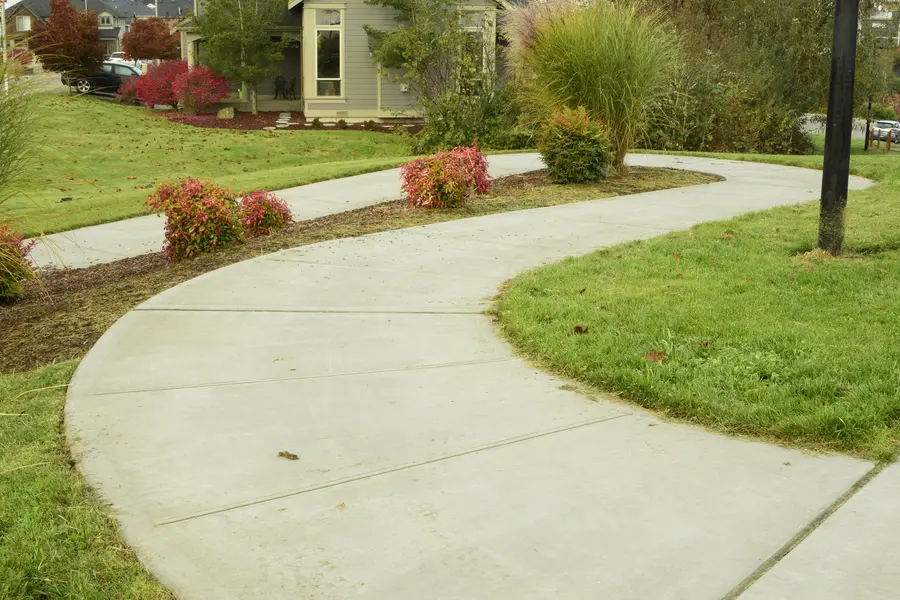
Concrete curbing does not have to be plain gray. Today, there are many color and finish options available. The main decision is whether you want a simple, solid color or a decorative finish that mimics stone, brick, or tile.
Here are two common paths:
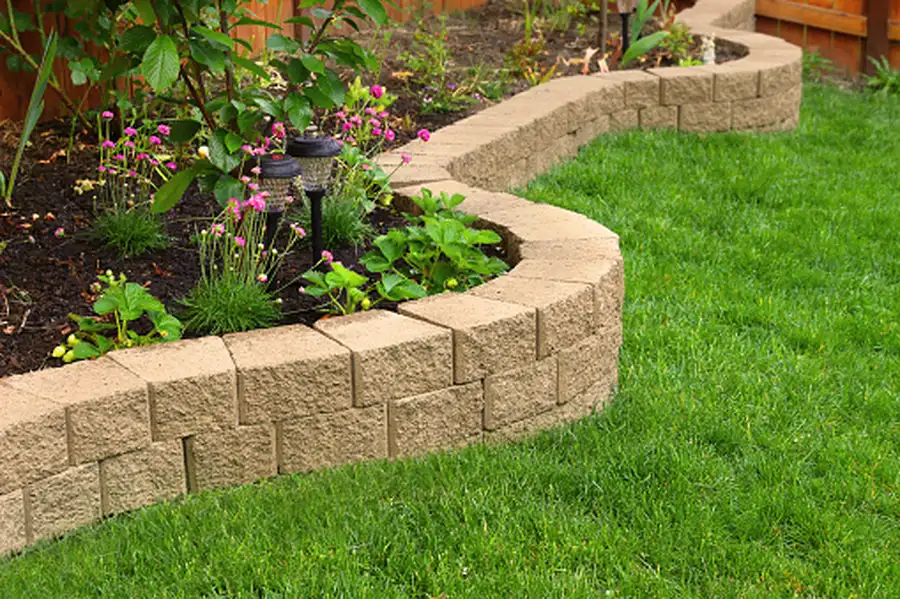
- Standard integral color: Earth tones like brown, tan, charcoal, and red mixed into the concrete.
- Decorative stamped or textured finish: Patterns pressed into the surface to look like stone or brick.
Solid colors are clean and simple. Textured finishes add more detail and can boost curb appeal.
Pros and Cons of Different Color and Texture Options
Each option has strengths and trade-offs. It helps to compare them side by side before making a choice.
- Light colors
Pros: Reflect heat, brighten dark landscapes.
Cons: Show dirt and stains more easily. - Dark colors
Pros: Hide stains, create bold contrast.
Cons: Can fade faster in strong sun. - Smooth finish
Pros: Easy to clean, modern look.
Cons: May look plain in large areas. - Stamped texture
Pros: Adds style, mimics natural materials.
Cons: Slightly more upkeep, higher install cost.
If your yard already has a lot of texture in plants and stone, a smooth finish can balance things out. If your yard is simple, adding texture can make it more eye-catching.
Best Options by Home and Landscape Style
Your home’s design should guide your decision. Concrete curbing should frame your landscaping, not fight against it.
Here are some common matches:
- Modern homes: Charcoal or slate gray with a smooth finish.
- Traditional homes: Brown or red tones with a light stone texture.
- Rustic properties: Earth tones with heavy stamped patterns.
- Desert landscapes: Sandy shades that blend with natural soil.
If you already have concrete driveways or patios, try to coordinate the color. The curbing does not need to match exactly, but it should look like it belongs.
Mistakes People Make When Choosing
Many homeowners focus only on color and forget about long-term wear. Others copy a neighbor’s design without thinking about their own property.
Common mistakes include:
- Picking a very light color in muddy areas.
- Choosing bold red or black without checking how it looks next to the house.
- Mixing too many textures in a small yard.
- Forgetting to seal decorative finishes.
It also helps to look at real samples, not just photos. Sunlight changes how a color appears. A shade that looks soft in a brochure may look much brighter in your yard.
Final Decision Checklist
Before you commit to a specific concrete curbing style, run through this quick checklist:
- Does the color match or complement your home?
- Will the finish be easy to clean in your climate?
- Does the texture fit your landscape theme?
- Have you seen a real sample in natural light?
- Are you ready for any sealing or upkeep required?
Answering these questions helps you avoid regret later. Concrete curbing is long-lasting, so it is smart to choose a look you will enjoy for years.
Ready to Upgrade Your Landscape Borders?
If you are thinking about adding concrete curbing in Ontario, CA, we can help you sort through the best color and texture options for your yard. At FC Formsetter & Concrete, we guide homeowners through samples, design ideas, and finish choices so the final result fits your property. Call us at (909) 573-6021 to talk about your project and schedule a consultation.