
Simple Ways to Create Strong, Safe, and Great-Looking Outdoor Surfaces
The best finishing techniques for outdoor concrete focus on strength, slip resistance, and weather protection. After the slab is poured and leveled, the surface is smoothed, textured, edged, and cured the right way. Each step affects how the concrete looks and how long it lasts. A good finish helps patios, driveways, and walkways handle sun, rain, and foot traffic without cracking or becoming slick.
What You Need Before Starting
Before you begin any concrete finishing work, timing and tools matter. Concrete changes fast as it starts to set. If you work too soon or too late, the surface can weaken.
You will usually need:
- Hand floats and bull floats
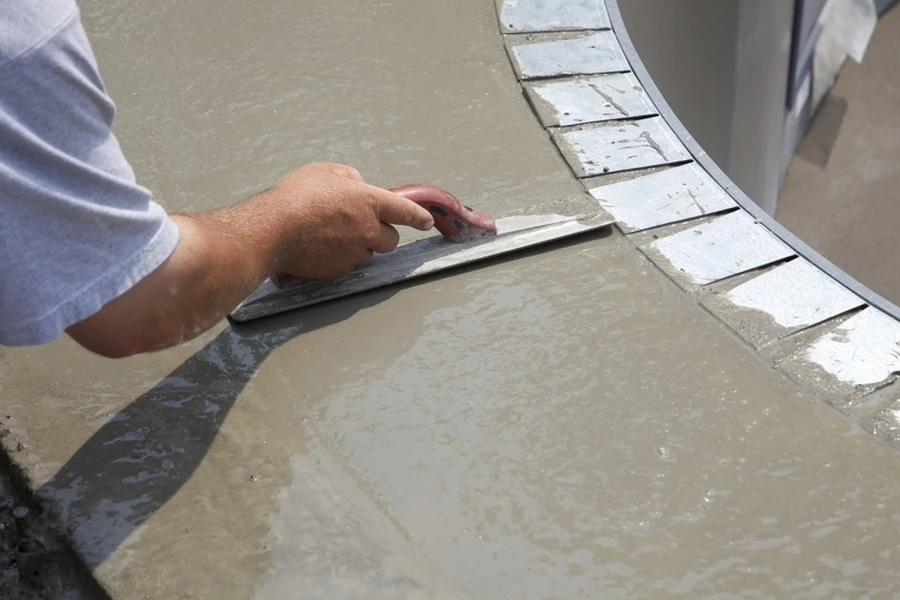
- Trowels
- An edger tool
- A broom for texture
- Groover for control joints
- Water hose and curing materials
Check the weather first. Hot sun dries the top too fast. Cold air slows the set time. Light CLOUD cover and mild temps are best for outdoor concrete finishing.
Step-by-Step Outdoor Concrete Finishing Process
Each step builds on the one before it. Skipping steps can lead to weak spots or surface problems later.
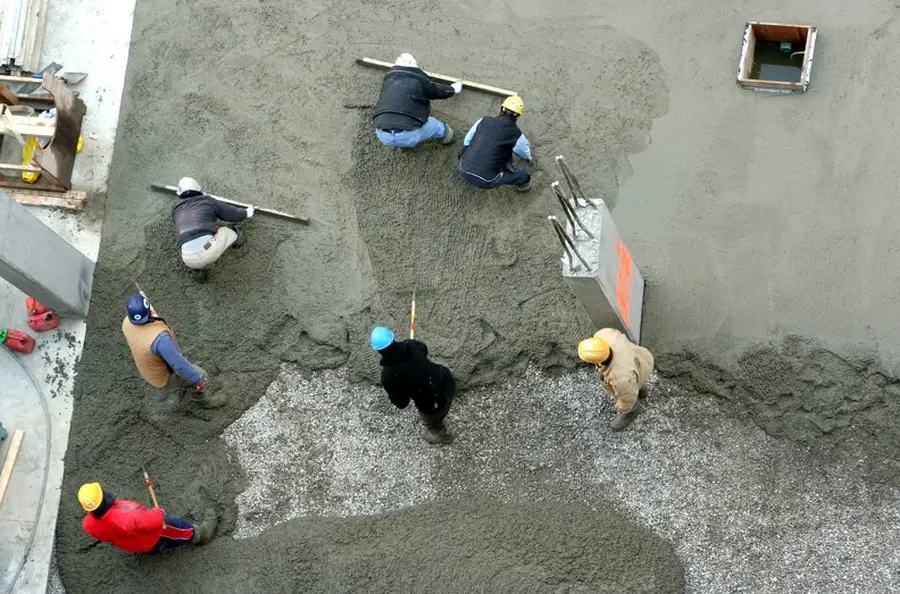
- Screed the surface. Right after pouring, level the concrete with a straight board. This removes extra material and fills low spots.
- Bull float the slab. This pushes small stones down and brings fine material to the top. It also smooths ridges left from screeding.
- Wait for bleed water to disappear. Water will rise to the top. Let it evaporate. Do not work it back into the slab.
- Edge the sides. Use an edger tool along forms. This rounds the corners and helps stop chipping.
- Add control joints. Use a groover to cut lines where cracks are most likely to form. This guides cracking in a straight line.
- Apply surface texture. For outdoor areas, a broom finish is common. Pull the broom across the surface to create light ridges. This improves grip when wet.
- Cure the concrete. Keep the surface moist for several days. Use curing compound or light water spray. This helps the slab gain strength.
Popular Finishing Styles for Outdoor Areas
Concrete finishing is not only about strength. It also changes how a surface looks and feels.
- Broom finish: Best for driveways and sidewalks. Adds slip resistance.
- Smooth trowel finish: Used for covered patios. Not ideal for exposed rain areas since it can get slippery.
- Stamped finish: Adds patterns that look like stone or brick. Good for decorative patios.
- Exposed aggregate: Reveals small stones in the mix. Offers texture and visual depth.
Each style must match the use of the space. A pool deck needs more grip than a covered porch.
Common Mistakes to Avoid
Even small mistakes during concrete finishing can cause surface damage.
- Working bleed water into the surface
- Over-troweling the slab
- Skipping control joints
- Not curing long enough
- Finishing under harsh sun without protection
Overworking the top layer can seal it too tight. That may trap moisture inside the slab. Later, this can cause scaling or flaking. Not cutting joints gives cracks no place to go, so they appear randomly.
When to Call a Professional
Small slabs like garden steps can be handled by skilled DIY homeowners. Large driveways, pool decks, and stamped patios are different. These projects require speed, timing, and team coordination.
If the slab is thick, reinforced, or part of a larger structure, it is better to hire a crew trained in concrete finishing. Decorative finishes also require special tools and experience. A mistake on stamped concrete is hard to fix once it sets.
Get Expert Help for Long-Lasting Results
If you want outdoor concrete that holds up against the weather in Ontario, CA, our team can help. At FC Formsetter & Concrete, we handle every stage of the project from pouring to detailed concrete finishing so your surface stays strong and looks great. Call (909) 573-6021 to speak with us and schedule a time to review your patio, driveway, or walkway plans.